Protecting Students from Crypto Investment Fraud at USA Universities
Category : Crypto Scam Recovery |
Sub Category : Posted on 2023-10-30 21:24:53
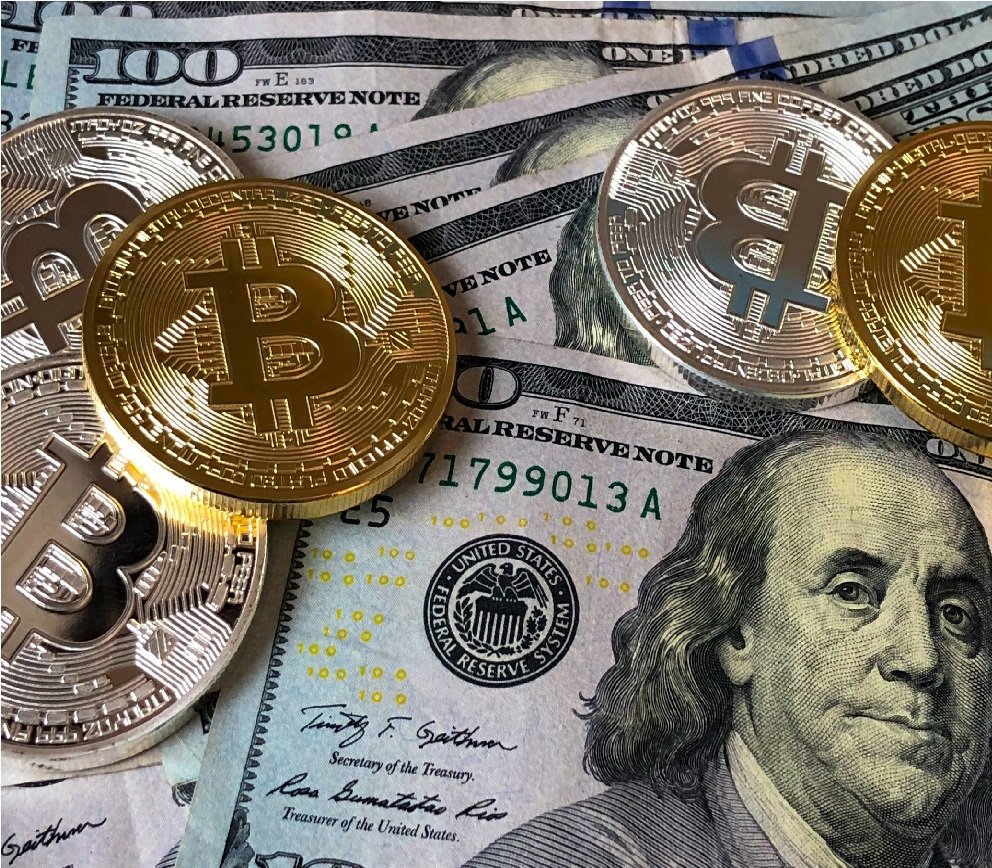
Introduction In recent years, cryptocurrency investment has gained immense popularity among tech-savvy individuals, including university students. While this digital currency market holds enormous potential for growth and profit, it is also plagued by fraudsters seeking to take advantage of unsuspecting investors. Unfortunately, college students, often with limited financial experience, can be easy targets for scams. In this blog post, we will explore the issue of crypto investment fraud at USA universities and discuss ways to protect students from falling victim to such fraudulent schemes. Understanding Crypto Investment Fraud Crypto investment fraud involves deceptive practices where scammers mislead investors, promising high returns and guaranteed profits in the cryptocurrency market. These fraudsters prey on students' desires to make quick and easy money without fully understanding the risks involved. Some common types of crypto investment fraud include Ponzi schemes, fake initial coin offerings (ICOs), and pump-and-dump schemes. Ponzi schemes operate by promising investors high returns on their investments, using funds from new investors to pay off earlier investors. Eventually, the scheme collapses, and the fraudsters vanish with the remaining funds. Fake ICOs lure unsuspecting investors to purchase tokens in a new cryptocurrency project that turns out to be non-existent or fraudulent. Pump-and-dump schemes involve artificially inflating the price of a cryptocurrency through false information, enticing investors to buy, only to sell their holdings and crash the price once others have invested. Risk Factors for Students University students are particularly vulnerable to crypto investment fraud due to several reasons: 1. Limited financial experience: Many students lack experience in dealing with investments and may be unaware of the risks and warning signs of fraudulent schemes. 2. Desire for quick profit: Students, burdened with rising tuition fees and living expenses, may be enticed by promises of quick and easy profits, making them willing to take risks without conducting thorough research. 3. Influence of peers: The peer environment at universities can play a role in spreading misinformation or pressuring students to invest in certain cryptocurrencies without proper due diligence. Protecting Students from Crypto Investment Fraud USA universities have a responsibility to educate students about the risks associated with cryptocurrency investments and equip them with the necessary tools to make informed decisions. Here are some measures that can be taken to protect students: 1. Increased awareness and education: Universities should offer workshops, seminars, or online courses on digital financial literacy and specifically address the risks of crypto investment fraud. This would help students develop a critical mindset and make educated decisions. 2. Collaboration with industry experts: Universities can partner with legitimate cryptocurrency experts who can provide guidance and teach students about the different types of investment scams prevalent in the market. 3. Student-led initiatives: Encouraging student-led organizations and clubs focused on digital currencies and investments can help create a supportive community where knowledge is shared, and scams are exposed. 4. Monitoring and reporting: Establishing a centralized reporting system where students can report suspicious activities related to crypto investment can help identify scams and prevent further victimization. Conclusion Crypto investment fraud poses a significant threat to university students in the USA who are exploring opportunities in the cryptocurrency market. With increased awareness, education, and collaboration between universities, industry experts, and students, the risks of falling victim to fraudulent schemes can be significantly reduced. It is crucial for universities to prioritize the financial well-being and security of their students, creating an environment where academic exploration and responsible investing go hand in hand. Check the link below: http://www.uncweb.com also for more info http://www.upital.com


